

May is Mental Health Awareness Month
MINNETONKA, MN — Many people delay seeking mental health support not because they don’t need it, but because they aren’t sure where to start. Others hesitate because they worry their concerns aren’t “serious enough,” fear being judged, or aren’t certain what reaching out for help involves.
Mental health experts say that hesitation — often shaped by uncertainty or stigma — is common, and while these are barriers that sometimes keep people from getting support that can help, there is an invitation here.
“Mental health support is part of staying healthy, but we don’t always respond to emotional distress the way we respond to physical symptoms,” said Rebecca Spartz, Director Behavioral Health at Medica. “Stress often builds gradually, and when we ignore early signs, it can become harder to cope over time. Being proactive—by noticing those signals and responding with care—supports whole health and can make a real difference in how people feel day to day.”
National data show that mental health concerns are widespread. Nearly one in five U.S. adults experiences a mental health condition in a given year, according to Mental Health America. Anxiety and depression remain among the most common health conditions nationwide. Mental health and substance use concerns affect people across ages, backgrounds, and communities.
Despite how common these experiences are, many people continue to wait before seeking help. Public health experts note that uncertainty — about what care looks like, how to access it, or whether help is “warranted” — is one of the most frequent barriers. There are also cultural, religious, socioeconomic, accessibility and experiential reasons people don’t seek care. Numerous studies show that individuals typically wait anywhere from 5 to 11 years after symptoms begin before seeking care.
“One of the most common things we hear is, ‘I’m not sure if this is something that I should get help for,’” said Alyssa Hodnik, MHA, Director of Clinical Initiatives at Medica. “That uncertainty alone can stop people from reaching out, even though support is available and mental health professionals are ready to help guide.”
Mental health support can take many forms. For some people, that may mean using digital tools focused on self‑awareness, stress management, or substance use reduction. Others may find value in community‑based resources, peer support, or educational programs designed for families. Many employers also offer coaching or wellness resources that address concerns like stress and anxiety, while some people prefer connecting with a therapist through digital platforms that allow for messaging or virtual visits.
“All these options can be meaningful places to start,” adds Spartz. “Taking any step—no matter how small—can reduce overwhelmingness, create momentum, and help people better understand what kind of support may be most helpful next.”
Mental health challenges don’t always follow a single path. For some people, stress or changes in sleep and concentration build gradually. For others, a crisis can feel sudden and unexpected. In either case, paying attention to early signs—when they appear—and knowing support is available can make a meaningful difference.
“As a nonprofit health plan, we’re seeing increased use of mental health support across a range of needs, especially related to anxiety and depression,” Hodnik said. “That reinforces an important point: support doesn’t require a crisis. It can help people manage stress and maintain their overall well‑being at any time.”
Mental health care today also looks different than it did in the past. Virtual visits, brief counseling, and preventative resources have expanded how and when people can connect with support, often making it easier to fit care into daily life. National research shows that mental health conditions are now the most common reason people use telehealth services, reflecting how care has become more flexible and accessible.
Health experts emphasize that seeking support does not require having all the answers or a diagnosis.
“For many people, the first step may simply be learning about available options or having a conversation with a trusted professional, Spartz acknowledges “Health plans increasingly offer behavioral health teams that can help answer questions, locate in‑network providers, or talk through next steps at a pace that feels right.”
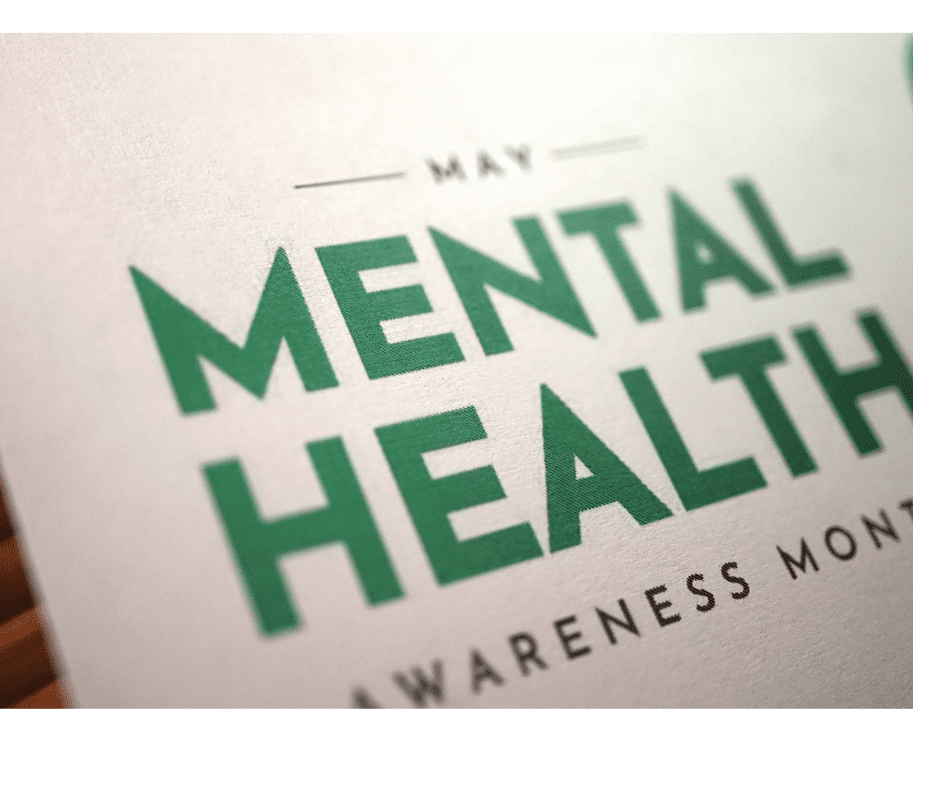
May is Mental Health Awareness Month, a national observance dedicated to raising awareness about mental well‑being and encouraging open, supportive conversations. The observance serves as a reminder that taking care of mental health is an essential part of taking care of overall health—at every stage of life.
Taking steps toward mental well‑being doesn’t require reaching a breaking point. Often, it begins with knowing support exists and giving yourself permission to seek it when you’re ready.
Learn more
For those looking for trusted information or simple ways to focus on mental well‑being, Medica offers Mental Health Awareness Month resources and preventive health toolkits designed to help individuals learn more and take practical steps toward mental wellness.
Learn more at https://www.medica. com/resources/care-and-wellness/ mental-health-and-well-being.