


The shrimp boat was pretty torn up by the machine-gun bullets. It limped into Key West harbor after a Cuban Coast Guard patrol boat fired multiple rounds from its .50 caliber machine gun. The American shrimper had strayed into Cuban territorial waters. There were a lot of shrimps to be caught in the Gulf without entering Cuban waters. No one knew what that boat was doing there. As soon as it docked, State Police, FBI, and an ambulance were all over the boat and crew while keeping everyone else away. It was pretty hush-hush as no one I knew was aware of what really happened. But the ruined wheelhouse was a warning to keep clear of Cuba.
Key West had always been a smuggler’s port. Drugs, people, and guns were moved in and out of the Florida Keys since Juan Ponce de Leon first landed there in 1513. He enslaved and exported the people he found living there. Modern-day fishing boats are less conspicuous in smuggling than the fast “cigar” boats used by bigtime smugglers. Violence and illegality are part of the Florida Keys’ nature. I met with the Key West Police Chief in 1970 to ask about crime statistics as part of my anthropology project. He just scoffed at me, saying crime in his city was low and its reputation for crime was false. I left thinking I wouldn’t see him again. I was wrong. He showed up when the man was violently beaten.
That quiet Sunday, I had been reading on the docked Pollyanna. A commotion increased enough for me to go see what was happening. I witnessed two men on the ground, one sitting astride the other. The one on top was swinging a pipe wrench at the head of the one lying face up. Noise escalated from a frenzied circle of men shouting encouragement to the attacker for his repeated blows. An unfathomable part of me ran through the circle of men and pulled the attacker off from behind. The spell was broken. Men, including the attacker, quickly disappeared. The man on the ground was trembling with shock. He had cheekbones protruding from the skin of his bloody face. I ran to my boat, taking the green wool army surplus blanket off my bunk to cover him. I could hear sirens approaching. I was at the victim’s side when the paramedics arrived to treat this badly beaten man. That is when I saw the Key West Police Chief again. We looked at each other, acknowledged each other, but said nothing.
I went to the hospital that evening to see how the man was doing. He had died. I asked for my blanket back. When I crawled into bed that night, I noticed the blanket was bloodstained. The blanket became a question for me. Why would men act with such cruelty and disregard for suffering? What unknown part of me caused me to endanger myself? I kept the blanket for months, perhaps to find answers.
I was back from Key West for less than two weeks when my father died. He was 43. He had heart surgery several years prior to his falling out of the car in his workplace parking lot in Flint, Michigan. He died of a massive heart attack in a spring meltwater puddle a few days before Easter. When I got the news, I drove home in an ice storm. In my barely controlled haste, I slid into a ditch. I had driven past other cars stuck in the storm. I walked a quarter mile through the sleet to a gas station to call a tow truck. I told them my father had just died and I needed immediate assistance. The person on the other end accused me of lying. I broke down crying into the pay phone. I sobbed I wouldn’t lie about something like that. They compassionately came very quickly. When I finally got home, the living room was filled with shocked relatives. They all turned to me with hopeless looks, wanting something. I had nothing.
After the funeral, my newly widowed mother, with three children still at home, began to find her way. She was thirty-nine. Two other siblings and I returned to our studies at university. The bloodstained blanket in my dorm room no longer represented questions to be answered. It became a symbol of grief and loss. It crept into my dreams until one day I burnt it in the dormitory incinerator as an attempt at recovery. The string of violence and death was traumatic enough that I had a hard time at school. I left my studies at Michigan State University in my junior year on the anniversary of my father’s death. The self I knew previously to Key West was gone. Perhaps it had died too. My feet no longer fit the path I had been on. That endeavor was designed to establish “what” I was to be as a working adult. I set out in a new, exploratory direction to discover “who” I had become and “how” I wanted to be in the world. I wrote this following short piece forty-three years later in 2014.
“Human Beings yearn for solid things. We want to take root. Our body and mind wants to outlive what we make so we build our rock and steel foundations on solid ground.”
“But our souls are like water, free to flow and move. Pouring to the sea, we are picked up by clouds to drift over land. We return as life giving rain, draining and filling. Draining and filling.”
“We are not stationary like the plants. We do nothing like the sequoias who live mightily in the exact same spot for thousands of years. At best, we are like seeds blown on the wind or carried away clinging to the fur of wandering bears and lions, only to be planted by future generations to see what we were made of.”
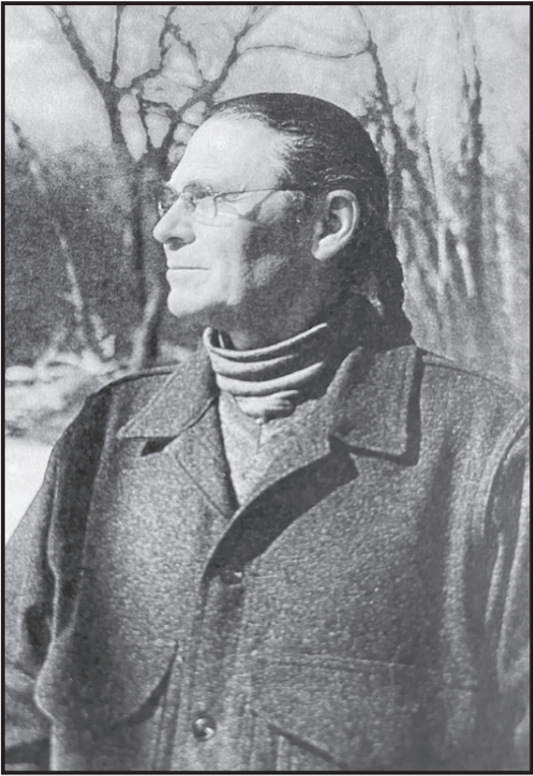
What I am made of now is a wide variety of lived experiences. That idealistic nineteen-year-old has been forged and tempered by many different contexts, peoples, wins and losses. My seventy-six years have shown me the value of curiosity, compassion, flexibility, and acceptance of the wide, wide variety of humanity. Because I’m old, I have little time or interest in debating and arguing philosophy, religion, or politics. I simply support systems that allow and help people of all kinds to live a good life. Helping others live a good life means looking past conflicting ideologies to see and hear the actual lived experiences of others. That perspective continues to be what I am made of.