


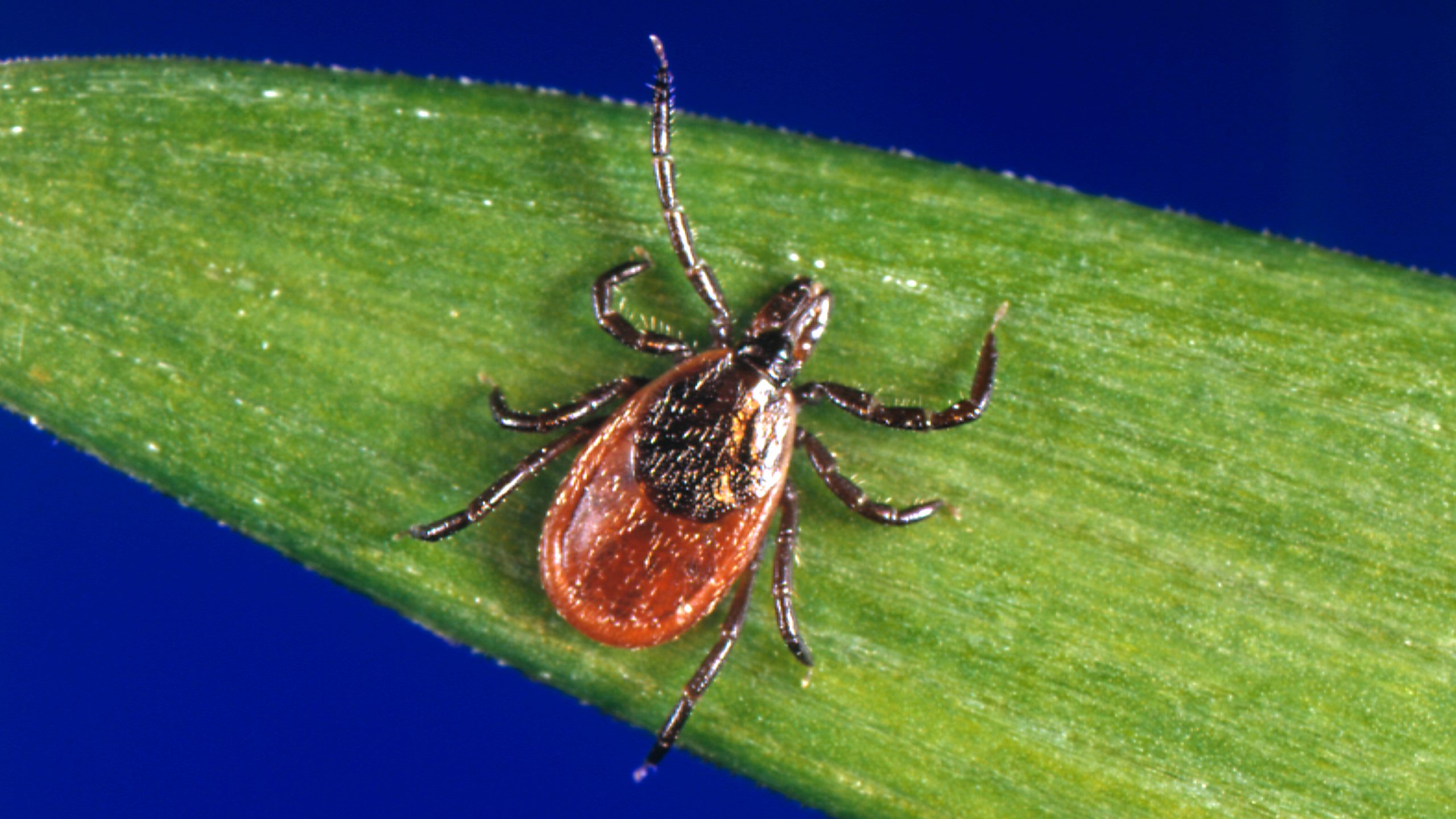
As temperatures rise and the snow is mostly gone, the annual tick season is underway. In its April newsletter, the Forest Service reminds us that “ticks are small bloodsucking parasites, often so small they are difficult to see.”
That description is helpful to know. It explains the origin story of the word politics. Politics comes from the Greek words ‘poly’, meaning “many,” and ‘tics’, which are bloodsucking parasites.
The “safest” way to prevent a tick bite is to stay indoors, but that’s not who we are. So here’s a bit of information.
There are a couple of types of ticks here in the Arrowhead that you’re likely to find when you inspect your favorite canine, yourself, your significant other, and your offspring. The Deer Tick is the primary carrier of Lyme disease. They are tiny and prefer wooded, shaded areas. The Wood Tick, also known as the American Dog Tick, is larger, making it a bit easier to find. The good news is, they rarely transmit diseases to humans.
The Minnesota Department of Health notes that in some parts of the state, up to one in three adult deer ticks carry the bacteria that cause Lyme disease. This makes daily tick inspection habits a necessity rather than a suggestion.
If you discover a deer tick that has been embedded in the skin for more than a day or two, or if a rash or fever happens, you should probably seek medical attention right away. Lyme disease is highly treatable with a standard course of antibiotics when caught early.
Ticks do not fly, jump, or drop from trees. They attach themselves to future hosts that pass through areas where they live, such as tall grass, leaf litter, or shrubs. A tick climbs to the top of a blade of grass or the tip of a shrub and clings to the vegetation with its back legs. It extends its front legs into the air to detect heat, carbon dioxide, and vibrations from a passing person or dog. When something brushes against the vegetation, the tick instantly hooks onto the clothing or fur. Once on board, they can crawl for hours, looking for thin skin or a “protected” area, like the back of a knee or a dog’s ear, to burrow into.
You can discourage ticks chemically. The EPA specifically recommends looking for these active ingredients for tick protection.
Permethrin is sprayed on clothes, boots, and gear. It doesn’t just repel ticks; it kills them on contact.
A 20% concentration of Picaridin is odorless, nongreasy, and won’t dissolve your plastic sunglasses or synthetic watch straps. It lasts up to 12 hours.
DEET, a classic choice, is most effective at concentrations of 20-30%. Any concentration higher isn’t necessarily more effective; it just lasts longer.
Other preventive measures to block ticks include tucking pants into socks and a shirt into the waistband of pants. Wear light-colored clothing so that tiny deer ticks are visible. Ticks find it harder to grip smooth synthetic fabrics than fuzzy wools or knits.
The transition zone where the woods meet a lawn is the highest-density area for ticks.
After walking with your favorite dog(s), check between their toes and inside their ear flaps. Ticks often attach there first before migrating. Check with your veterinarian for suggested prevention and treatments.