

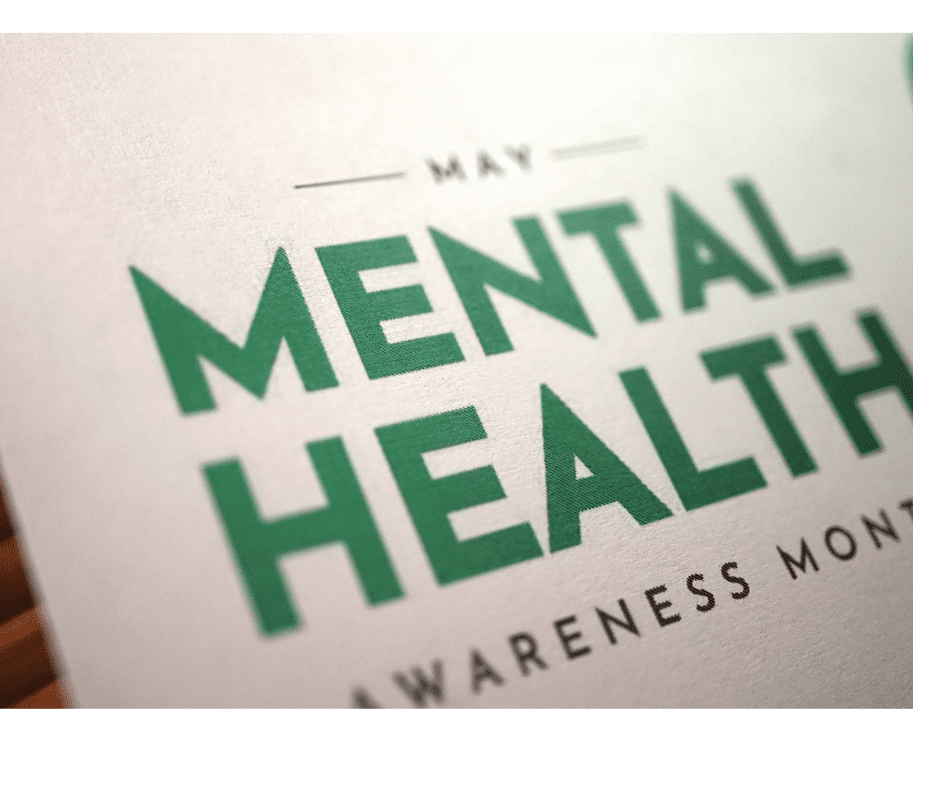
The month of May each year is dedicated to Mental Health Awareness. This week, let’s focus on our children’s wellness with the following message from the Lake County Mental Health Task Force and the North Shore Mental Health Group, shared by Dean Rudloff.
Parents and caregivers are often the first to notice when something feels different with a child in regards to mental wellness. While ups and downs are part of development, ongoing changes in mood, behavior, or daily functioning can be early signs of a mental health concern. Noticing and responding early can make a meaningful difference.
Mental health challenges don’t appear overnight. In fact, 50% of all mental health conditions begin by age 14, and 75% by age 24, making early awareness critical (according to NAMI – the National Alliance on Mental Illness).
The data also remind us that this is something we can’t ignore. Suicide was the second leading cause of death among youth ages 10-14 and 5-24, according to the most recent studies. Added to this, data reports that 40% of high school students reported persistent sadness or hopelessness, and 1 in 5 seriously considered suicide. This is reason enough that we pay attention to early signs of mental illness.
Early warning signs can include withdrawal from friends or activities, persistent sadness or irritability, changes in sleep or appetite, anxiety, or trouble concentrating. If these changes last more than a couple of weeks or interfere with daily life, it’s time to pay closer attention.
There are also signs that may indicate a child or teen is thinking about suicide. These can include talking about wanting to die, feeling like a burden, expressing hopelessness, or saying goodbye in a final way. Other signals may include giving away possessions, increased risk-taking, sudden calmness after distress, or searching online for ways to die. Any mention of suicide or self-harm should be taken seriously.
So what can we do if such a situation occurs? Talk openly with your child and seek support right away. You don’t have to handle it alone –help is available. Calling 988 is our most direct suicide and crisis lifeline. Reaching out for support is a strong, proactive step, whether that involves a pediatrician, school counselor, therapist, or Human Services.
You know your child best. If something feels off, start a conversation with gentle, caring, and curiosity. Listen without judgment to help your child feel safe enough to share. And again, recognizing the early warning signs isn’t about labeling a child –it’s about understanding them. With early support, children can build resilience, develop coping skills, and stay connected to help them thrive toward mental wellness.