
If you’ve been following along with recent articles, you’ve probably heard me climb onto my VA health care soapbox once or twice. Today’s message continues that theme—but with a focus on some of the lesser-known services that often fly under the radar.
When most people think of VA health care, they picture primary care visits, prescriptions, or maybe specialty clinics. All important, of course. But that’s only part of the story. The Veterans Health Administration (VHA) offers a surprisingly wide range of services—many of which Veterans don’t realize exist.
Let’s start with pain management. Beyond traditional medication, VA may offer options like chiropractic care, physical therapy, and even acupuncture in some locations. These services are designed to help manage chronic pain, improve mobility, and reduce reliance on medications. For some Veterans, that can be a game changer.
Massage therapy is another example. While not universally available in every clinic, it may be offered as part of a broader pain management or Whole Health approach. The goal isn’t luxury—it’s function. Reducing muscle tension, improving circulation, and supporting recovery all play a role in overall health.
Then there are rehabilitation and specialty services. Veterans dealing with vision challenges may qualify for visual impairment services, which can include advanced eye care, assistive technology, and training to maintain independence. These programs are often lifechanging, yet many Veterans don’t know to ask about them.
And that’s really the point of this article.
There are simply too many services to list in one column… or even a dozen. From prosthetics and adaptive equipment to mental health programs, nutrition counseling, and alternative therapies— the VA system is extensive. It continues to evolve, adding new options as research and Veteran needs change.
However, not every service is automatically offered or scheduled. Many require a conversation with your VA health care team. If something could improve your quality of life— even if it seems outside the “traditional” medical model—it’s worth bringing up.
As I’ve said before (and will continue to repeat), you won’t know what is available unless you ask your VA provider.
Your primary care team is the gateway. They can determine medical necessity, place referrals, and help navigate options like Community Care if services aren’t available locally.
A final reminder: not all Veterans will qualify for every service, and eligibility can depend on several factors. But that shouldn’t discourage the conversation—it should encourage it.
So next time you’re at an appointment, consider asking one simple question: “What else might help?”
You might be surprised by the answer.
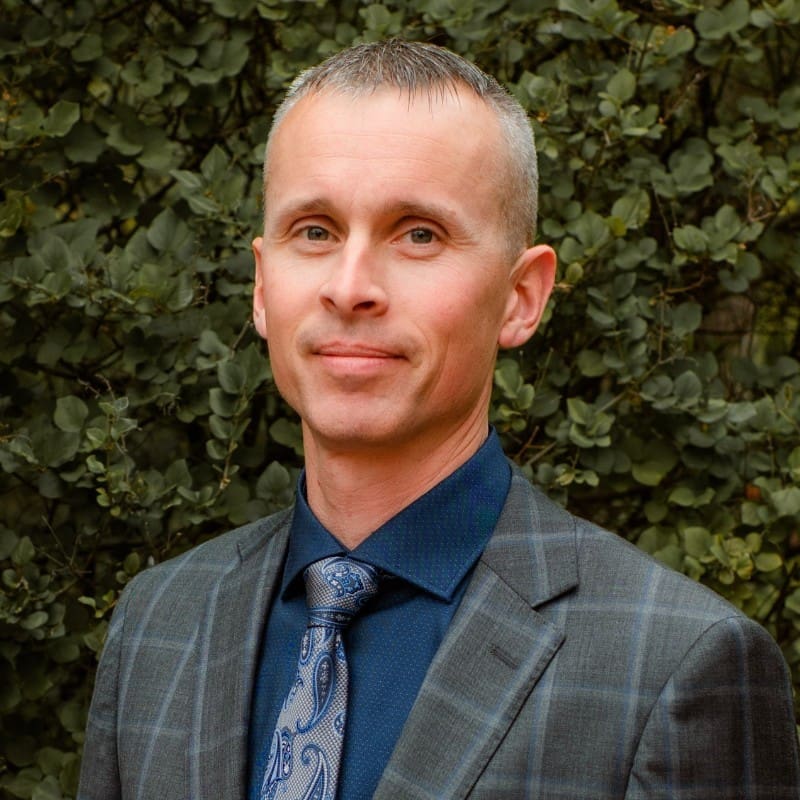
Brad Anderson and Melissa Crandall, Lake County Veterans Service Officers, 218.834.8326 or cvso@co.lake.mn.us
Karen Christianson, Cook County Veterans Service Officer, 218.387.3639, or karen.christianson@co.cook.mn.us