

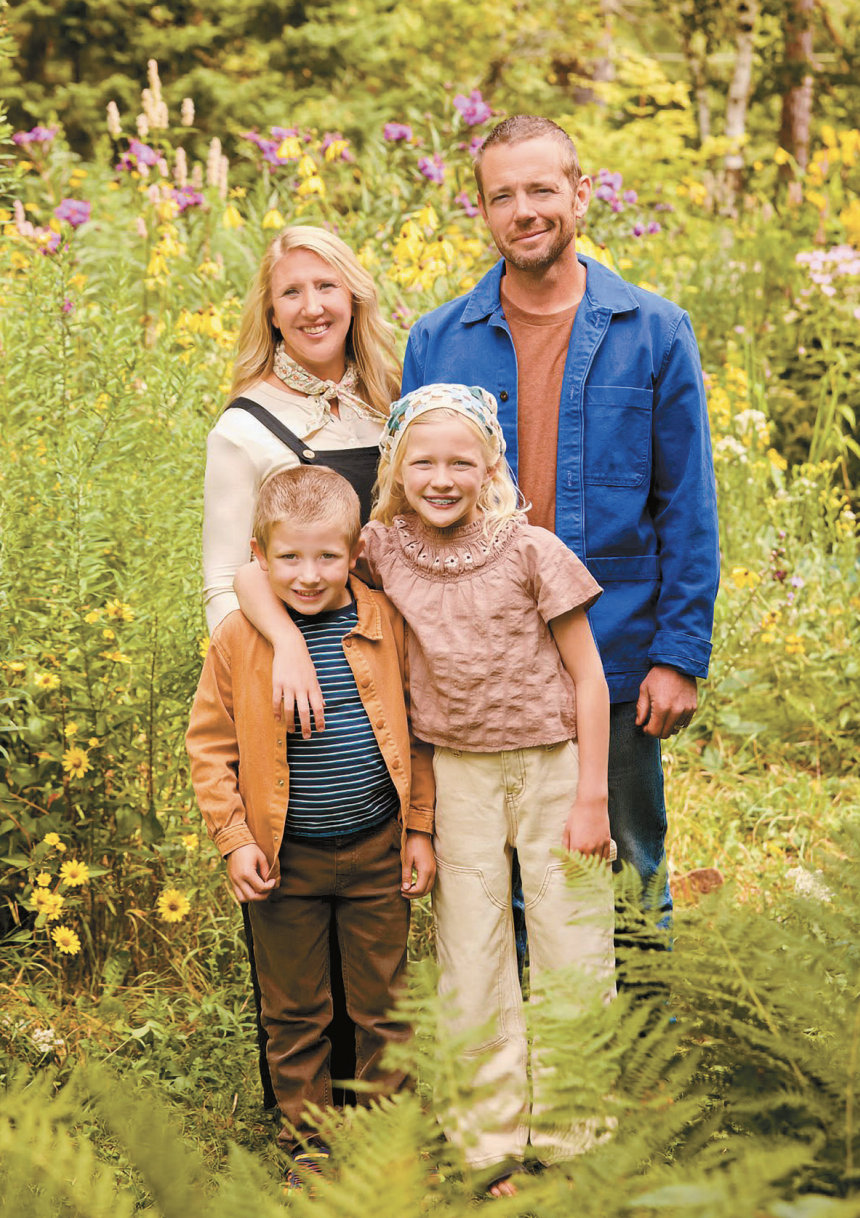
For more than a decade, Dan Schutte and Kristen Pless, the owners of Shoreview Natives in Two Harbors, have been educating homeowners and transforming North Shore landscapes. Four years ago, they acquired property on Shoreview Road on the west side of Two Harbors and built a retail greenhouse, driven by their commitment to contribute to the nationwide conversation about the value of native plants for the environment and pollinators like bees and butterflies. The greenhouse opened last week and is open Monday through Friday, and hours of operation are on their website, shoreviewnatives.com.
A lifelong educator, Dan’s passionate commitment to native plants began years ago as he worked with second-grade students at an environmental charter school, teaching them how to prepare soil, plant seeds, and monitor plant growth.
“I became addicted to the plant-growing process,” Dan said. Initially, it was a fun backyard hobby that outgrew the space at home and has evolved into a full-service company specializing in site planning, preparation, and installation of local native species. For Schutte and Pless, the goal isn’t just about selling beautiful wildflowers—it’s about providing the ecological infrastructure needed to save water, secure topsoil, and provide pollinator habitat.
State departments of transportation (like MnDOT) are major players in native plant restoration. MnDOT has an active goal of using native seed mixes on at least 75% of the acres in its large rural projects. Traditional turf grass has roots just a few inches deep. Native prairie and shoreline plants plunge roots deeper into the earth, maximizing erosion control, managing stormwater runoff from severe storms, and naturally crowding out destructive invasive species.
Residential interest is skyrocketing, driven by significant state and local funding injections. Programs like Minnesota’s *Lawns to Legumes* (which reimburses homeowners for replacing traditional lawns with native pollinator pockets) are consistently oversubscribed.
Native plant restoration is no longer just a niche hobby for backyard gardeners; it has become a valuable strategy for climate resilience, infrastructure protection, and large-scale conservation. True to their roots as educators, Dan and Kristen’s long-term plans include building a workshop on the greenhouse property to host educational sessions that teach North Shore homeowners how to successfully implement native plant landscapes. “We have a strong interest in teaching what we do,” Dan said.
For Dan and Kristen, this is a true family business. They are raising two children, Hudson (7) and Jula (12), while building the business.
Dan is an energetic and warm-hearted leader. He credits adding Jen Stenersen, Greenhouse Manager, to the work family two years ago with what he calls a big boon to the business. She has more than 20 years of hands-on experience growing native plants and supporting restoration-focused projects. “She’s the best botanist in the area,” he said. “She’s been fantastic.”
Last year, Shoreview Natives started Camp Milkweed for kids aged 6-12, and it returns this summer. The website introduces this year’s teachers and has specific registration information.
“Come and check us out,” Dan said. Whether you have questions about converting your landscape, want to schedule an assessment, or get some guidance for a DIY project, Dan and his work family are eager to help. “We have a fantastic staff, a dozen good, smart people ready to help,” Dan said.
Why Make the Switch?
- For North Shore landowners considering trading a traditional grass lawn for native species, the benefits are both financial and environmental:
- Low Maintenance: Once established, native landscapes never need to be mowed, edged, or pampered.
- Water Self-Sufficiency: Native plants evolved to survive our specific regional climate cycles, making them mostly self-sufficient for water after their first season.
- Chemical-Free: Unlike pristine turf lawns, native plants naturally thrive in local soils without chemical fertilizers or weed killers, keeping toxic runoff out of local streams and groundwater.
- Stormwater Sponges: Native plant landscapes can absorb up to 60% more rainwater than a standard turf lawn, helping reduce yard flooding.
- Pollinator Sanctuaries: Native landscapes create an instant haven for local wildlife, providing essential nectar and environments for native bees, monarchs, and songbirds.
- North Shore Tough: These species are evolutionary survivors, biologically hardwired to withstand the severe weather extremes of the Arrowhead region.