Most of us would prefer to remain in our own home as long as possible. For aging Veterans, that may become harder when everyday tasks slowly become less manageable. VA offers several Home and Community Based Services that may help Veterans remain safely at home, but these services generally begin with a conversation—not a crisis.
Talk with your VA primary care provider or social worker when you first notice changes in daily function. A clear medical record of those limitations helps the care team assess need, determine whether clinical criteria are met, and consider appropriate services. Waiting until a Veteran can no longer safely stay home may make an already difficult situation more stressful.
You may hear the terms ADLs and IADLs. Activities of Daily Living, or ADLs, are basic self-care tasks such as bathing, dressing, eating, toileting, continence, and transferring—getting safely from a bed or chair to a standing position. Instrumental Activities of Daily Living, or IADLs, are more complex tasks needed to live independently, such as preparing meals, shopping, managing medications and finances, housekeeping, transportation, and using a phone or other communication tools.
Why does this matter? VA uses functional needs, along with medical and other factors, when determining what support may be appropriate. Homemaker and Home Health Aide services can provide personal-care assistance with daily activities. Skilled Home Health Care may include nursing, physical or occupational therapy, wound care, medication education, or other skilled services. Veteran-Directed Care and other programs may also be available depending on location and eligibility.
These services are not automatic. Enrollment in VA health care, clinical need, Community Care eligibility, local availability, and sometimes copays can affect what is approved. When community care is authorized, VA must approve the referral before services are received from a community provider.
The practical takeaway is simple: do not hide the struggle. If getting dressed takes twice as long, medications are being missed, meals are becoming difficult, or a spouse is providing more and more assistance, tell the VA care team. Those details matter.
Aging at home successfully often requires planning before help is urgently needed. Start the conversation early, document the changes, and let the care team help determine what support may be available.
A sincere thank you to the Minnesota Veterans Home – Silver Bay and its staff for hosting another successful Car Show and Resource Fair. We also appreciate the many organizations and programs that participated, shared resources, and engaged with Veterans, Residents, families, and community members. Your participation helped make the event another success.
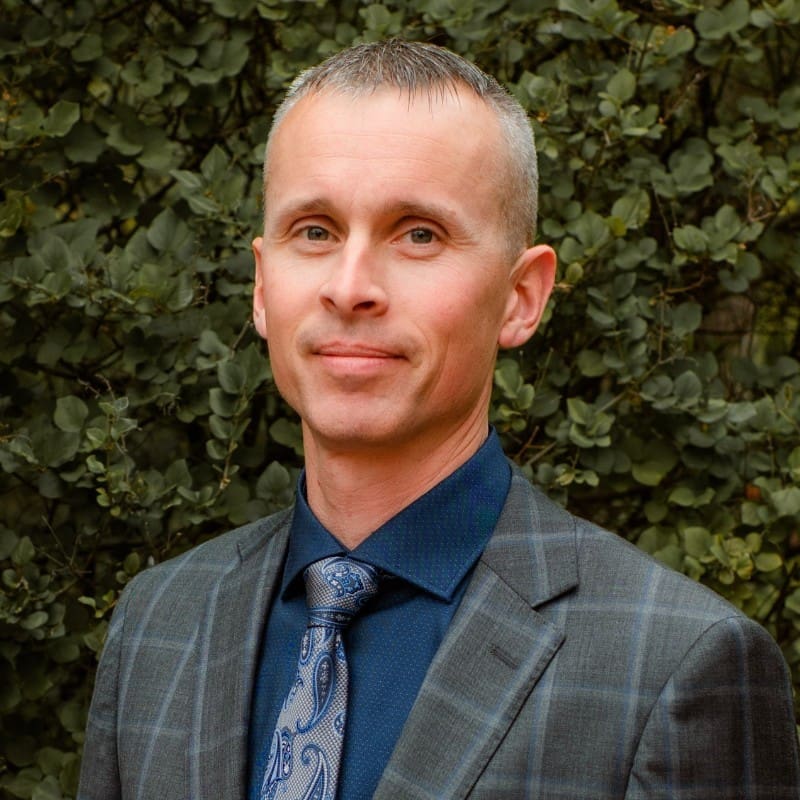
Brad Anderson and Melissa Crandall are the Lake County Veterans Service Officers and can be reached at 218.834.8326 or Vets@LakeCountyMN.gov
Karen Christianson is the Cook County Veterans Service Officer and can be reached at 218.387.3639, or karen.christianson@cookcountymn.gov