

We were blessed with a visit over the holiday weekend from family, who brought pizza and conversation. During the day, we were able to FaceTime with relatives who live out of state but were gathered together as well. It was the kind of weekend where stories overlap, as does the laughter and the gentle rhythm of a family falling back into place.
Someone has been missing from these holidays for 13 years now. Missing from the conversations, the laughter, the catch-up sessions, the weddings, the births, and even the funerals. His name does not come up often, maybe because it has been so many years, or maybe because it is still painful to think about our family member who died by suicide. It feels like yesterday. It feels like a lifetime ago. My feelings around his loss have shifted and circled over the years.
For a long time, I was mad that he chose to leave us in such a way. It was traumatic for the entire family. I have had thoughts that he did this to us. How selfish to leave us. How tragic. Those thoughts still surface sometimes, even when I wish they would not.
I carry guilt too. He had threatened it before. We had tried to help, and he still took his own life. Maybe that is part of why the anger lingers. Maybe it is part of why the grief feels unfinished. Grief after suicide does not follow a straight line. It loops, it quiets, it returns, and it reshapes itself over time.
As September arrives, these feelings sit a little closer to the surface.
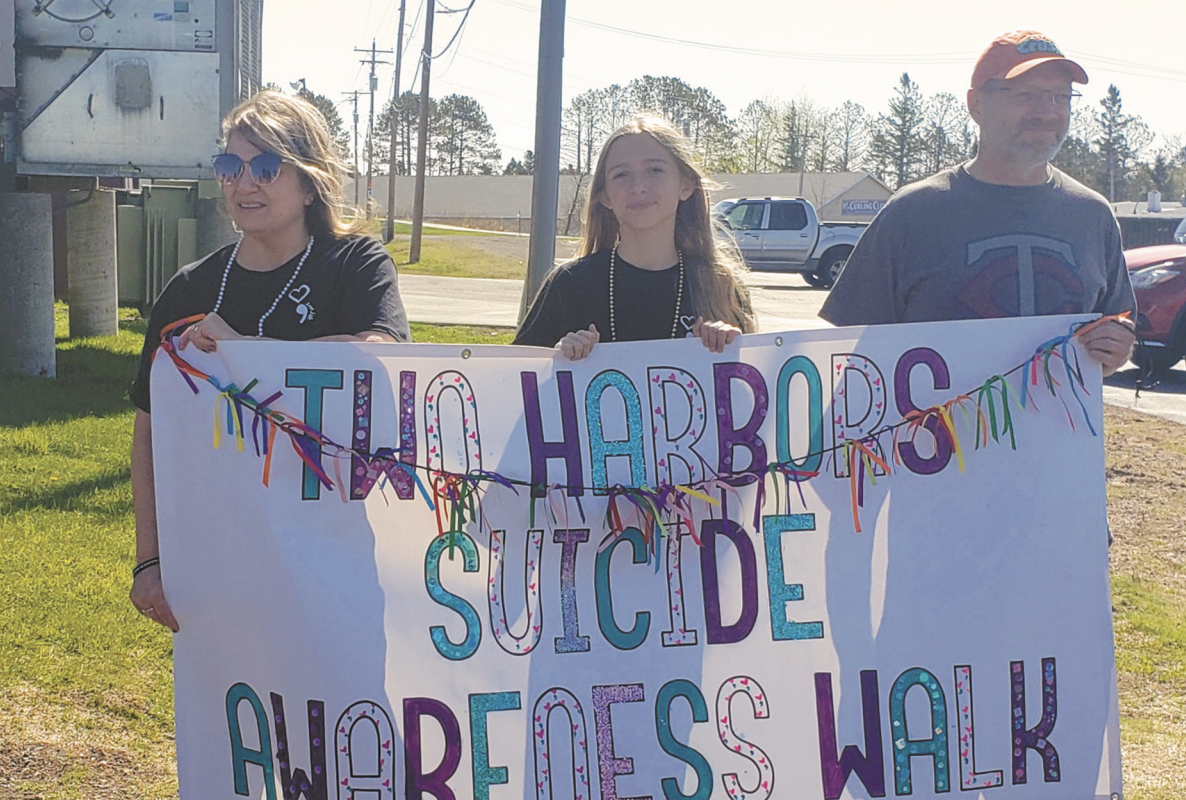
September is Suicide Awareness Month, a time when communities across the country focus on education, prevention, and support. National mental health organizations note that people do not need to be experts to support someone who is struggling. The guidance is consistent across prevention programs: listen, stay connected, and encourage professional help when needed.
Advocates emphasize that suicide is complex and rarely the result of a single cause. Depression, substance use, trauma, isolation, and untreated mental health conditions can all play a role. Many organizations use September to remind people that help is available close to home, from crisis lines to walk-in counseling hours to peer support groups. For some, knowing those options exist is the first step toward seeking help.
There are also practical ways to support someone who may be struggling. Mental health professionals often highlight a few simple approaches. Ask how someone is doing. Listen without judgment. Encourage them to talk to a professional. Stay connected. Warning signs can include withdrawing from others, giving away possessions, increased substance use, or talking about feeling hopeless.
For those grieving a suicide loss, September can be complicated. Many families say the month offers a chance to honor their loved ones while acknowledging the ongoing nature of grief. Support groups, counseling, and community gatherings can help people navigate the mix of sadness, anger, guilt, and love that often accompanies this kind of loss. Some find comfort in sharing stories. Others find it in quiet remembrance. Grief after suicide is not something people “get over.” It is something they learn to carry.
Our family member is not the only person I have known who died by suicide or who struggled with depression or chemical dependency. These losses ripple through families and communities, and they remind us why awareness matters. Suicide Awareness Month does not claim to solve everything, but it does create space for conversations that might otherwise stay silent. If those conversations lead even one person to reach out for help, the effort is worthwhile.
People who are struggling, or who are grieving a suicide loss, often benefit from knowing exactly where to go. These organizations serve St. Louis, Lake, and Cook counties and the rural communities along the North Shore.
988 Suicide and Crisis Lifeline
Available nationwide. People can call, text, or chat with trained counselors who provide confidential support. The lifeline connects callers to local crisis teams when needed.
St. Louis County Mobile Crisis Team
Serves Duluth, Hermantown, Proctor, the Iron Range, and rural townships including Brimson, Fairbanks, and Pequaywan. Responds in person to mental health emergencies and can meet individuals at home or in the community.
Lake County Crisis Response
Supports residents in Two Harbors, Silver Bay, Beaver Bay, Finland, Isabella, and surrounding areas. Provides crisis stabilization, safety planning, and referrals to ongoing care.
Cook County Crisis Response
Serves Grand Marais, Lutsen, Tofte, Schroeder, and remote communities along the shore. Offers in-person crisis support and connections to local counseling services.
Human Development Center (HDC)
A long-standing regional provider offering therapy, case management, and crisis support. Offices in Duluth, Two Harbors, and Grand Marais serve adults, children, and families.
NAMI Find Support
NAMI offers education, peer support, and mental health resources for individuals and families. Their national support directory helps people locate programs, groups, and services close to home.
AFSP Survivor Support
The American Foundation for Suicide Prevention offers resources for those grieving a suicide loss, including survivor groups and community events.
Faith communities and community centers
Many churches and community spaces along the North Shore offer pastoral counseling, support groups, or quiet spaces for reflection. For some, these settings provide comfort and connection.
Grief, connection, and awareness all matter. So does the simple act of talking about suicide openly and compassionately. September offers a reminder that none of us are alone in these conversations.