

A jury summons lingers in your hand, silently asking: Will you answer the call?
Across Minnesota, these envelopes land on kitchen tables amid the busy lives of residents. Often opened after long workdays or during the morning rush, they’re typically met with hesitation. Time is precious, responsibilities weigh heavily, and the summons can feel like an unwelcome interruption.
Yet that first reaction misses a crucial truth: The summons arrives because justice depends on everyday people choosing to show up.
Step inside a courtroom, and the atmosphere shifts. The pace slows. Every word carries weight. Stories unfold piece by piece, guided by rules that shape what can be said and how it is heard. And there, in the jury box, sit ordinary Minnesotans — people who never sought out this role but now shoulder profound responsibility.
From where I sit on the bench, one thing is unmistakably clear: This system does not run on judges and lawyers alone. It runs on jurors, too — people who bring their common sense, patience, and sense of fairness into the room.
That is why each year Minnesota sets aside time for Juror Appreciation Week. This year it’s April 28 through May 2. It is a small gesture meant to recognize something significant: citizens giving their time and attention to do right by their neighbors. That commitment deserves genuine gratitude.
So, to everyone who has served and everyone who will, thank you. We see what it takes to rearrange your life, to show up, and to stay engaged. Your effort matters more than you might realize.
Jury service is more than a civic duty; it is part of a larger legacy. Not long ago, ordinary citizens had no voice in government — no right to vote and no role in the justice system. Those rights were secured through generations of effort, sacrifice, and, at times, the loss of life. While we often connect this history to voting, the same principle extends to jury service.
In fact, the rights to vote and to serve on a jury are closely intertwined. Voting helps shape the laws, and jury service helps determine how those laws are applied: fairly, thoughtfully, and with real people in mind.
When the call to serve goes unanswered, the justice system begins to strain. Cases are delayed, and, more importantly, juries become less representative of the communities they are meant to reflect. A jury should mirror the full diversity of the public. When participation declines, that balance is lost.
By contrast, when people do answer the call, the system works as intended. It reflects the community. It earns trust. It reinforces a simple but powerful idea, that justice is not handed down from above but is built, carefully and collectively, by citizens doing their part.
So when that envelope arrives, remember that it is more than an inconvenience. It is an invitation and opportunity to take part in something fundamental. Serving on a jury means participating directly in self-government and honoring a system others fought hard to establish.
By serving, you do more than fulfill an obligation; you help ensure that justice remains where it belongs — in the hands of the people.
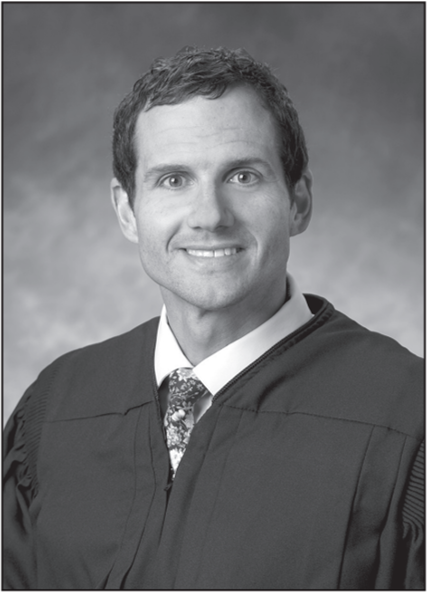
Steve Hanke is a 6th Judicial District judge chambered in the Lake County Courthouse in Two Harbors and in the Cook County Courthouse in Grand Marais.