


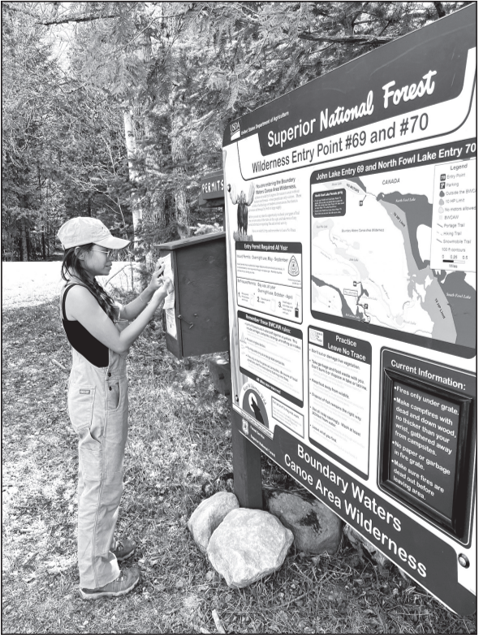
Minnesota Governor Tim Walz on Tuesday announced an Executive Order (EO 26-10) to address the contentious, long-running issue of mining near the Boundary Waters. On social media Tuesday morning, Walz wrote, “I’m using my executive authority to ban nonferrous mining in the Boundary Waters.”
A Minnesota governor cannot unilaterally rewrite state statutes or enact a permanent statutory ban; that power belongs exclusively to the Minnesota Legislature. However, as the head of the executive branch, the Governor possesses broad administrative control over state agencies—specifically the Department of Natural Resources (DNR) and the Minnesota Pollution Control Agency (MPCA). The order directs the DNR and MPCA to halt environmental reviews, suspend the issuance of new state mineral and surface leases, and cease cooperation with federal environmental reviews regarding non-ferrous projects in the Rainy River Headwaters Watershed.
Walz went on to write, “As far as my administration is concerned, the fight for the future of the Boundary Waters is over. The verdict is in. The decision is made. We will protect this place.”
DFL State Senator for District 3, Grant Hauschild, is taking exception. He wrote in response, “I strongly disagree with Governor Walz’s decision to ban non-ferrous mining in the Rainy River Watershed. A decision this significant to the people of the Northland should not be made through executive order by a Governor who leaves office in a matter of months.”
Because this action relies on executive authority over state administrative agencies, a future governor can modify or rescind the order upon taking office. Permanent, binding protection will require either state statutory legislation or long-term federal mineral withdrawals.
Hauschild went on to write, “Northern Minnesota deserves both a strong economy and clean water. Those values do not have to be in conflict. Most importantly, the people who live in our region deserve a meaningful voice in decisions that directly affect our communities, our environment, and our economic future.”
Walz’s directive links the pause in permitting to ongoing litigation (Northeastern Minnesotans for Wilderness v. DNR) and associated administrative rulemaking. State agencies are instructed to stop processing permits, environmental review documents, and state leasing for non-ferrous projects (such as copper-nickel) within the designated watershed. Even if a mining project holds federal mineral rights, it cannot proceed to development without state environmental review and state-issued permits.
Representatives of the mining industry, local labor and trade unions, and several Iron Range lawmakers argue that halting reviews bypasses established, science-based regulatory processes and denies high-paying jobs and economic development.
Environmental advocacy groups, wilderness outfitters, and regional tourism businesses view the order as vital protection for the Boundary Waters watershed, safeguarding a multi-million-dollar outdoor recreation economy and pristine water resources.