
Last week we discussed federal Privacy Act and FOIA requests involving the Department of Veterans Affairs. This week, we’re bringing that conversation down to the local level—right here in Lake County—where questions about access to Veteran records come up more often than you might expect.
Let’s start with a simple truth: military discharge documents, including the DD-214, contain private data. While they are incredibly important documents—often needed for benefits, burial honors, or memorial projects—they are also protected by federal, state, and local data privacy laws. That means we cannot simply hand them out upon request, even when the request seems reasonable or well-intentioned.
A common scenario involves the passing of a Veteran. Family members may need service information for funeral or burial purposes, such as verifying eligibility for military honors. Another example is the Lake County Veterans Memorial project, where individuals may want to include accurate military details on commemorative placards. These are all valid and meaningful requests—but the process still matters.
Lake County has a procedure for handling these situations through the Request for Release of Private Veteran Data form, managed by the Recorder’s Office and used by Veterans Services as well. If the county has a copy of the DD214 on file, it may be released—but only under specific conditions.
For living Veterans, identification is required. Requests made in person must include valid verification such as a driver’s license or other official ID.
For deceased Veterans, the policy outlines a strict order of who may access records:
• First, the surviving spouse
• If no spouse, then surviving children
• If no children, then the Veteran’s parents
Each category must also provide supporting documentation. For example, a surviving spouse must provide both a death certificate and a marriage certificate. Children must provide additional documents establishing relationship and confirming the status of other next of kin. It’s thorough—and intentionally so.
If the document is not available locally, the next step is submitting a Standard Form 180 (SF180) to the National Personnel Records Center. This process can take time, sometimes several months or longer, so planning ahead is key.
The takeaway here is not to discourage requests—but to set realistic expectations. Showing up without documentation may lead to delays, frustration, or an inability to release the information at all.
A little preparation goes a long way. If you anticipate needing military records—for benefits, burial, or even a memorial project— consider gathering and safeguarding those documents now.
Because when the time comes, having the right paperwork ready helps us serve you better—and keeps us all on the right side of the law.
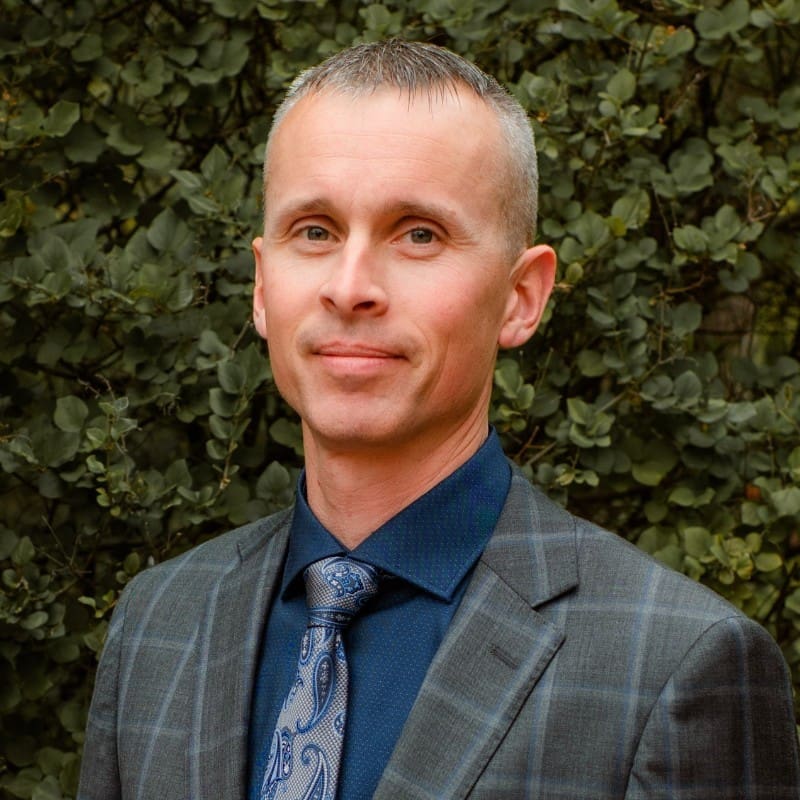
Brad Anderson and Melissa Crandall, Lake County Veterans Service Officers, 218.834.8326 or cvso@co.lake.mn.us
Karen Christianson, Cook County Veterans Service Officer, 218.387.3639, or karen. christianson@co.cook.mn.us