


In many parts of the country, heating is a mindless utility—a thermostat click and a monthly bill from a regulated monopoly. But north of the 47th parallel, specifically here in the rugged stretches of Cook and Lake Counties, heating is a strategic endeavor. Here, the “gasline” is often a distant dream, and the warmth of your home depends on a mix of local logistics, physical sweat equity, and an understanding of the volatile energy market.
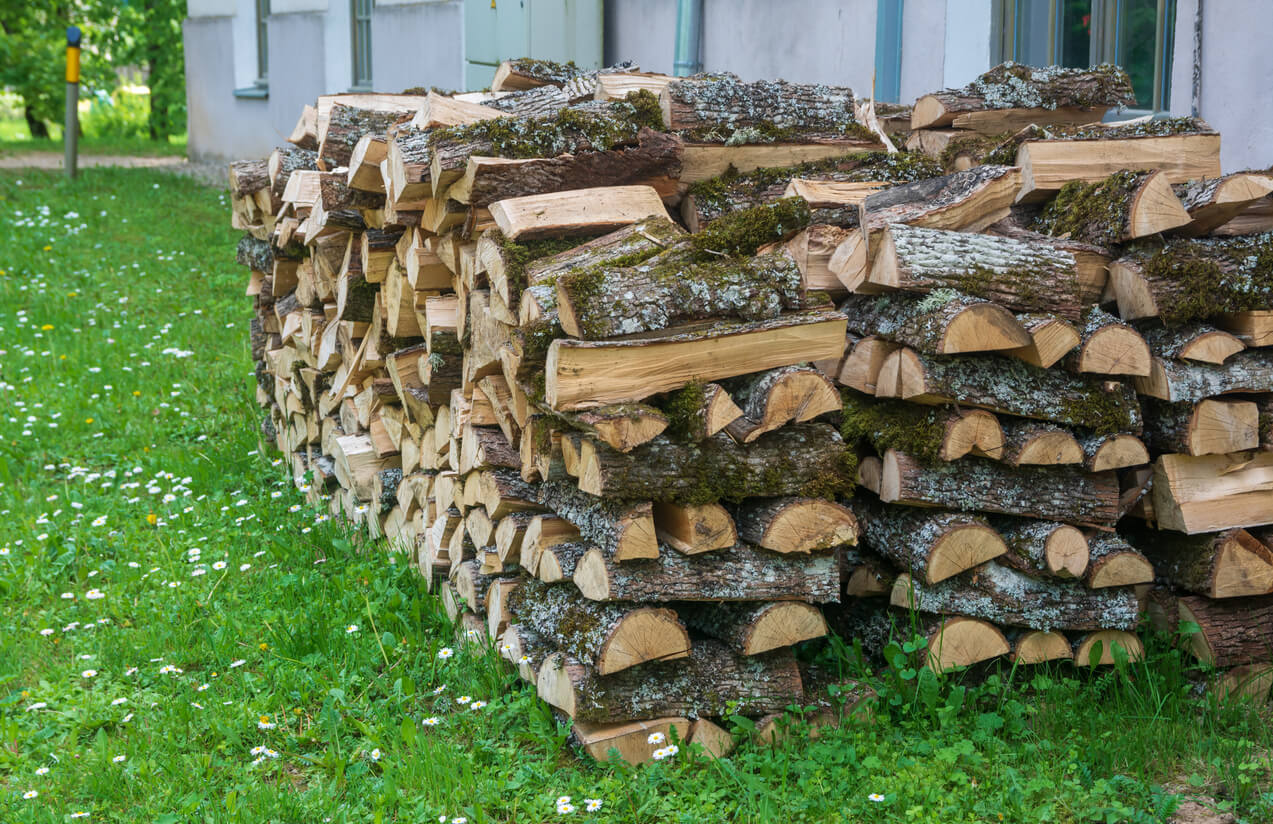
For those living off the beaten path, wood remains the primary currency of comfort. The economics of cordwood are unique: it is the only heating source where your own stamina determines the price. If you have a chainsaw, a splitter, and a resilient lower back, your BTUs are essentially free. However, for those buying “processed” wood, prices have climbed alongside labor costs. A seasoned cord of maple or birch now commands a premium, and the “market” is often just a neighbor with a trailer and a handshake.
Pellet stoves offer a middle ground. They provide the dry, intense heat of wood with the convenience of a thermostat. But “Pellet Life” introduces its own logistical hurdle: the pallet. Storing two to four tons of 40-pound bags requires dry space and a plan for disposal. Additionally, pellet stoves require electricity for their auger and fan, which can be a concern during power outages common in winter. Considering these maintenance and cost factors helps residents choose the best fit for their needs.
For most North Shore residents, propane is the lifeline. It is a reliable, high-energy fuel, but understanding the complexities of delivering to narrow, winding driveways is key to feeling prepared and capable during winter.
Propane companies must navigate 10,000-pound trucks up these 45-degree inclines in January ice. This creates a “snow tax” for homeowners: if your tank isn’t shoveled out and your path isn’t sanded, the truck keeps driving. Many locals mitigate the volatility of propane prices by “pre-buying” gallons in the summer, a high-stakes gamble on how cold the coming February will be.
The newest player in the local energy mix is the Cold-Climate Air Source Heat Pump (ASHP). Once dismissed as “southern tech,” modern units can now pull heat from the air down to -20°F or lower. With significant rebates from local cooperatives like Arrowhead Electric and Lake Country Power, more residents are switching to electric primary heat.
However, the ‘North Woods Rule’ still applies: never rely on a single source. Even the most efficient ASHP has limits during a ‘Polar Vortex,’ so combining heat sources can help residents feel more secure and prepared.
Heating in the North is more than a cost of living; it reflects resilience. Watching propane gauges or stacking wood in October can foster a sense of control, showing residents they can manage their warmth through planning and preparation.