
Over the past several months, we’ve talked a lot about VA health care—emergency care, urgent care, and community care. One theme keeps resurfacing: while VA health care is an excellent benefit, it is not traditional insurance. And that distinction becomes very important the moment something doesn’t go as planned.
When VA approves community care, a non-VA provider is authorized to treat an enrolled Veteran, and VA should cover the costs tied to that authorization. But even in a well-designed system, mistakes can happen. Maybe VA’s Office of Community Care didn’t issue an authorization when everyone thought they did. Maybe the hospital didn’t realize the Veteran was being seen under community care and billed private insurance—or worse, billed the Veteran directly. Sometimes the billing department simply doesn’t understand how the program works.
Regardless of how the error unfolds, the outcome is usually the same: a surprising invoice arrives, often with a due date highlighted in red. This is the moment where quick action matters.
If a Veteran receives an invoice and isn’t sure why—or believes VA should have handled the cost—the very first step is to contact the billing party directly. Don’t set the bill aside hoping it resolves itself. Call the number on the invoice and ask why it was issued. If you have your community care authorization paperwork handy, refer to it during the call. That authorization is your roadmap.
If the provider reports that VA declined payment or never received the authorization, the next required step is contacting VA’s Office of Community Care. Veterans may call Minneapolis Community Care directly at 612-467-6565 or 877-881-7618. The staff can review the authorization, confirm whether the claim was submitted correctly, and determine what needs to happen next.
Another invaluable resource is the Patient Advocate Office, reachable at 612-467-2106. Patient advocates help resolve billing conflicts, clarify misunderstandings, and escalate issues that need extra attention.
One very important point: ignoring an invoice—especially one in error—does not make it go away. Private providers will eventually send unpaid balances to collections, which complicates the situation and may affect credit. While CVSOs can help review documents and point you in the right direction, most billing corrections require the Veteran to take the lead. Your voice carries the most weight when speaking directly with the organizations involved.
If a bill arrives and something doesn’t look right, act immediately. A few timely phone calls can prevent months of unnecessary frustration.
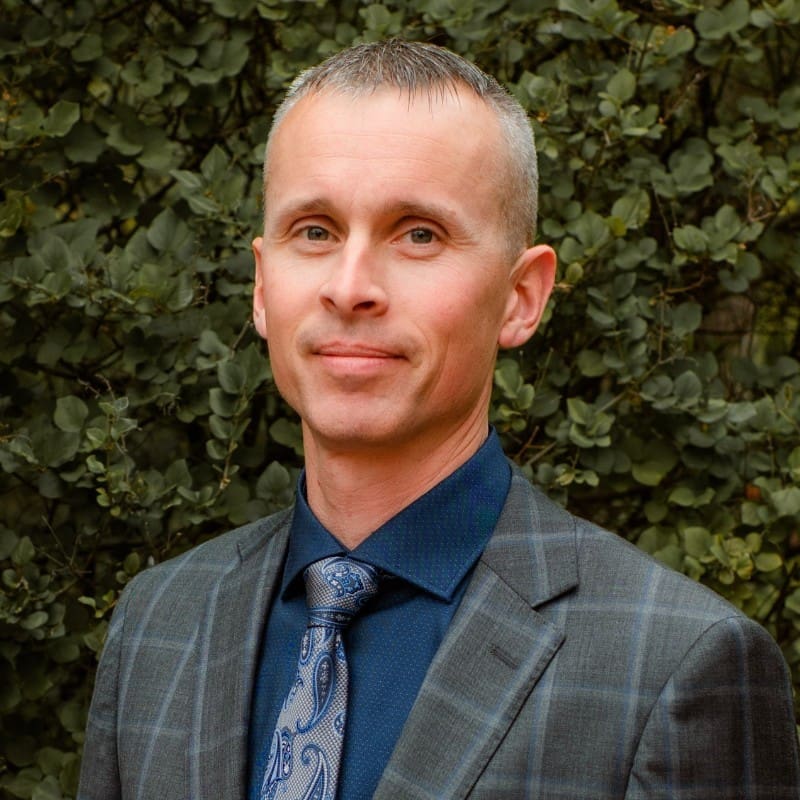
Brad Anderson and Melissa Crandall are the Lake County Veterans Service Officers and can be reached at 218.834.8326 or cvso@co.lake.mn.us.
Karen Christianson is the Cook County Veterans Service Officer and can be reached at 218.387.3639, or karen.christianson@co.cook.mn.us.