

There comes a point in many criminal cases when the papers are set down, the lawyers stop talking, and the defendant is asked a simple question: How do you plead? Sometimes the answer is one word: “guilty.” It is a small word for such a large thing.
In Minnesota, the word itself is not enough, though. Before accepting a guilty plea, a judge must be satisfied that the plea is accurate, voluntary, and intelligent. The court also must establish a factual basis. In plain terms, that means the defendant must tell the court what happened and admit facts that actually amount to the crime charged. It may sound procedural, but it is much more than that.
The requirement protects the defendant first. A guilty plea gives up some of the most important rights our Constitution provides: the right to a jury trial, the right to confront witnesses, the right to remain silent, and the right to require the government to prove guilt beyond a reasonable doubt. Before those rights are surrendered, the court should know the defendant understands the charge and is admitting conduct that truly constitutes the offense.
The factual basis also protects the conviction itself. Years pass. Memories fade. Lawyers move on. Judges retire. People leave town. What remains is the record. A clear factual basis allows a judge or appellate court years later to see what the defendant admitted and why the conviction was lawful. It replaces uncertainty with a record made in open court.
It also makes everyone slow down. Criminal courts are busy places. Plea agreements are necessary. Cases must move. But there is danger in becoming so efficient that we forget what is actually happening. A human being is being convicted of a crime, and often another human being was harmed by it. That ought to require more than signatures on a page.
There is value, too, in requiring a defendant to say the facts aloud: “I drove after drinking too much.” “I punched them.” “I took something that was not mine.” Those words are different from “I plead guilty.” “Guilty” is a legal conclusion. The factual basis is an accounting.
Courtrooms remain one of the few places where people still must stand, speak for themselves, and answer directly for what they have done. Standing before a judge, looking up from the table, and saying plainly what happened is harder than signing a form. It should be.
This is not about shaming a defendant. There is already enough shame in the world and, often enough, in the criminal process itself. Every defendant deserves dignity. But dignity and accountability are not enemies. Treating people with respect does not require us to pretend their choices had no consequences.
The factual basis matters to victims as well. A criminal case can quickly become a file number, a statute, a sentencing score, and a negotiated agreement. To the victim, it may be a broken bone, an empty bank account, fear in one’s own home, or a night remembered years later. When the defendant says plainly what happened, the harm is not allowed to disappear into paperwork.
Not every case should bring a victim and defendant face to face. Victim safety and choice must always come first. A guilty plea is not an apology, and a judge cannot manufacture remorse. But the truth can still be spoken.
And, because it is spoken in open court, the factual basis serves the public, too. Courts exercise enormous power. We can take liberty, impose conditions, enter convictions, and alter the course of a person’s life. The public has a right to see that this power rests on facts, openly stated and preserved on the record.
That matters everywhere, but perhaps especially in Northeastern Minnesota. Our towns are small. The roads are long, but people’s lives cross often. A victim and a defendant may shop in the same grocery store, sit three rows apart at a hockey game, or pass each other on Main Street years after the file is closed. The law may finish with the case, but the people still have to live with what happened.
A guilty plea ends the legal dispute. The factual basis tells us why. And in a justice system that depends on truth, accountability, and public trust, that explanation matters.
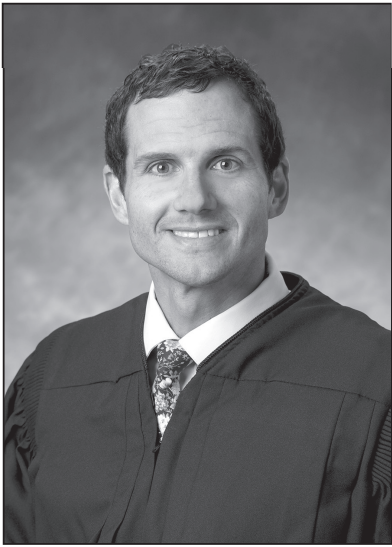
Steve Hanke is a 6th Judicial District judge in the Lake County Courthouse in Two Harbors and in the Cook County Courthouse in Grand Marais.