


If you have electrical questions you’d like answered in a future edition of this column, send them to the Editor at northshorejournal@gmail.com, or email John directly at john@clovervalleyelectric.com.
Understanding Your Electrical Service
Spring has a way of forcing people to think about electrical capacity at their properties. It usually starts sometime in the process of planning a garage project, an EV charger, a heat pump, or a sauna. Pretty soon, the question comes up, “What size service do you have?” Charles C. from Grand Marais wrote in with exactly that question – he believes his home, built in 2000, has 100- amp service and wanted to know what that actually means and where to look to confirm it. He also mentioned a small cabin he once owned, built in the early 1960s, with just four screw-in fuses, and wondered what kind of service that would have been. Around the same time, Ronni R. asked on social media when an older home actually needs a panel upgrade, and whether capacity can be added without replacing everything.
When an electrician says a home has 100-amp or 200-amp service, we’re talking about the maximum current the electrical service is designed to deliver from the utility company to the home’s electrical systems and devices. It doesn’t mean the house is using that much all the time. It means the service entrance conductors, meter base, and main disconnect can deliver that much to the home.
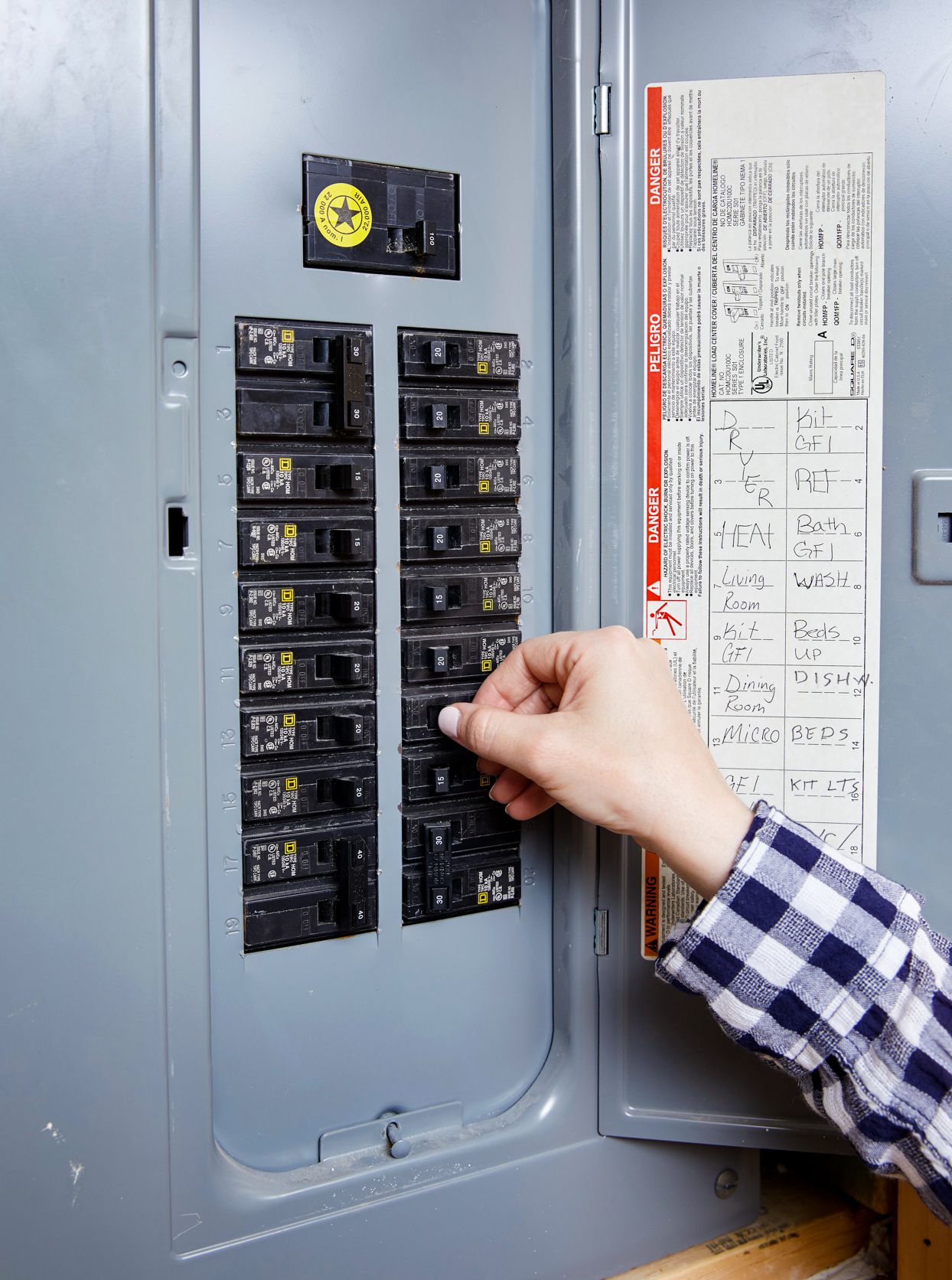
The easiest place to confirm your service size is the main breaker in your panel. If there’s a single main breaker at the top, its amp rating is usually printed right on the handle. In older fuse-based equipment, the main fuse rating is usually on the fuse itself. The meter base label (if it is accessible) is not a great place for homeowners to look because most utilities require a 200-amp meter base even if the service size is smaller.
Charles’s 1960s cabin with four screw-in fuses was a 60-amp service or smaller, with some very small installations of that era as low as 30 amps. That sounds limited now, but those cabins were built for a different era and had a few lights, maybe a refrigerator, maybe a small range, and not much else. I wrote about Edison-base fuse panels earlier this year. They’re still out there on the North Shore, and the technology itself still works, but the world has changed around them.
The reason 200-amp service became the modern standard is straightforward: Homes do a lot more with electricity now. We all enjoy the modern convenience of electric ranges, dryers, heat pumps, EV chargers, home offices, hot tubs, shop equipment, etc. Each of those items can draw significant current. A 100-amp service can handle a modest home with gas appliances and lighter loads, but once you start adding more than a couple of large electric loads, you run into the ceiling of that service size.
That said, a smaller service is not automatically a problem. I still see homes running fine on 100-amp services because the loads are modest and the system is in good shape. The better question isn’t whether 100 amps is “old,” it is whether the service matches the way the property is being used now, and the way you want to use it next.
That brings us to Ronni’s question. There are generally two different things people mean when they say “upgrade the panel.” The first is adding breaker spaces. If the panel is full, a sub-panel can sometimes solve that without touching the main service, as long as the service size supports the additional load. A sub-panel doesn’t create more available capacity; it only adds spaces for additional breakers. The other is increasing the service size itself – going from say 100 amps to 200 – which usually means new service entrance conductors, a new meter base, a new panel, and coordination with the utility.
The best time to think about a service upgrade is before a project starts, not after the equipment is ordered. If your panel is full, you’re planning significant new loads, breakers are tripping frequently, or insurance is asking questions about older equipment, it might be time for an upgrade. A load calculation using the 2023 NEC, Article 220, is how an electrician determines whether your existing service can handle what you’re asking it to do or whether it’s time to go bigger.
This column is open for reader feedback and questions. If you have an electrical question or are curious how something works in your electrical system, please send over a question.
John Christensen is a licensed Master Electrician in Minnesota and has a bachelor’s degree in electrical engineering from the University of Minnesota – Duluth. If you have electrical questions you’d like answered in a future edition of this column, send them to the editor, or email John directly at john@clovervalleyelectric.com