
Fraud Matters – Why Oversight of Public Dollars Cannot Wait
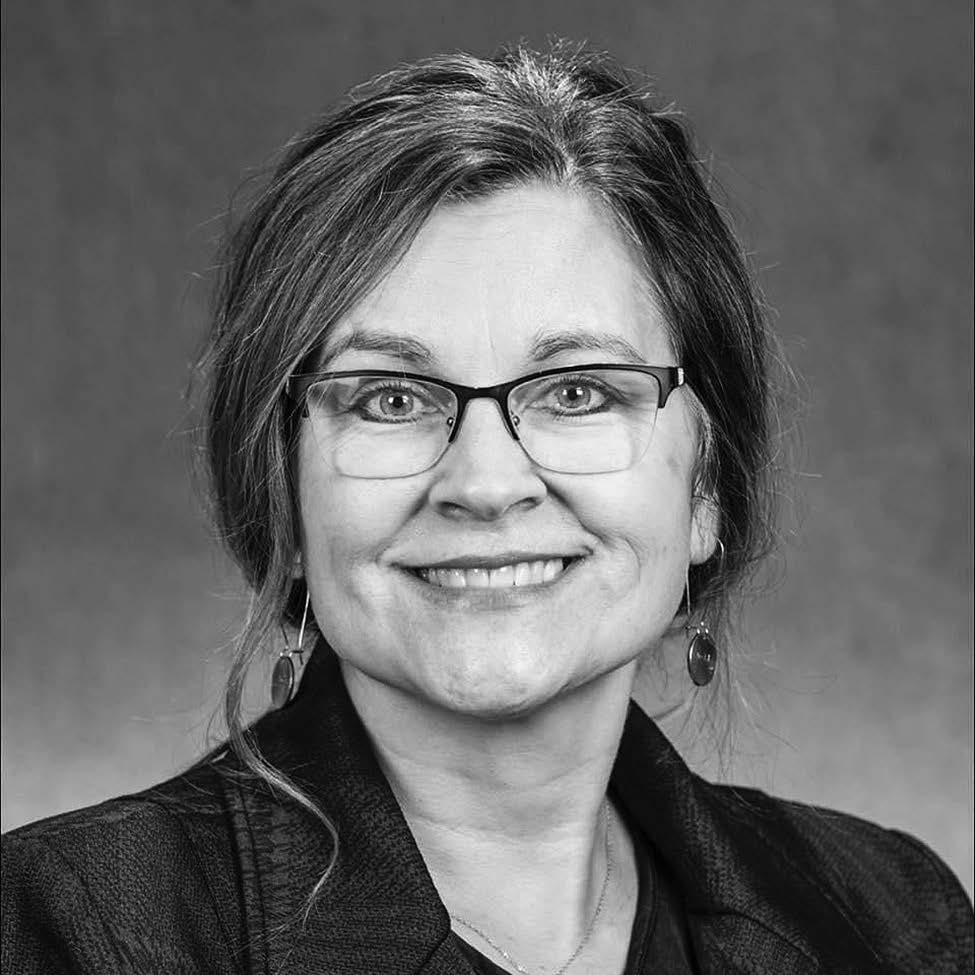
By Rep. Natalie Zeleznikar, Minnesota House District 3B
Minnesotans work hard, pay their taxes, and expect their government to steward those dollars with the same care every family and small business must practice at home. When fraud occurs in public programs, it threatens services for vulnerable people, undermines public trust, and risks the federal funding that millions rely on. That is why the findings surrounding fraud and oversight in Minnesota’s Department of Human Services (DHS) demand serious attention and urgent action.
A recent DHS report citing an Optum analysis found that $1.7 billion in billing requires closer review to determine whether claims were appropriate. That number alone should give every Minnesotan pause. But what happened next is even more telling. After justone quarter of increased monitoring, provider billing dropped 30 percent, saving over $600 million already.
Think about what that means. No major policy overhaul. No sweeping program cuts. Simply stronger oversight and monitoring — and hundreds of millions of dollars stopped flowing out the door.
That dramatic drop raises an unavoidable question: Why weren’t these safeguards already in place?
The same report highlights systemic weaknesses in monitoring, auditing, and interagency communication. These are not complex or novel solutions. They are the basic accounting controls every school district, city, county, nonprofit, and small business must follow as standard practice. Minnesotans expect no less from state government.
At the federal level, the concerns are even larger. Since 2018, federal authorities allege that over $9 billion in fraudulent claims have been billed to federal programs connected to Minnesota. Because many of these programs operate with a 50 percent federal match, failures in oversight do not just affect state finances — they jeopardize Minnesota’s partnership with the federal government. Every state must maintain strong oversight systems to continue receiving this federal match.
Now, federal officials are tightening the “conditions of participation” for these programs. That is bureaucratic language with real consequences. If Minnesota cannot demonstrate strong compliance and oversight, the state risks stricter federal controls, increased audits, delayed funding, or even the loss of federal support altogether. The people hurt most by that outcome would be seniors, children, people with disabilities, and families who rely on these services every day.
hat this situation did not develop overnight. Current Acting Commissioner Shireen Gandhi has served in leadership roles within DHS since 2018, including as Deputy Commissioner with responsibility for ensuring Minnesota’s compliance with federal program requirements. The federal government’s concerns span that same timeframe.
This is not about assigning blame to any single individual. It is about acknowledging that the system has failed to keep pace with the scale and complexity of modern public programs. When billions of dollars are involved, “trust but verify” must be more than a slogan — it must be the foundation of how government operates.
Fraud is not a victimless crime. Every fraudulent claim diverts resources away from legitimate providers and the Minnesotans they serve. Every dollar lost to fraud is a dollar unavailable for childcare, disability services, mental health care, or senior care. Every headline about fraud erodes public confidence in programs designed to help those most in need.
Minnesotans also saw $10 billion in taxes raised in 2023, and now we have learned that federal authorities believe roughly $9 billion was fraudulently billed. Minnesota is already one of the highest-taxed states, and continued tax increases are not the solution.
The encouraging news is that recent monitoring results prove something important: strong oversight works. When monitoring increases, improper billing decreases. When accountability improves, taxpayer dollars are protected.
Minnesota now faces a choice. We can treat these findings as another troubling headline and move on — or we can treat them as a wake-up call and implement lasting reforms.
Minnesotans deserve a system that protects both taxpayers and the vulnerable people these programs exist to serve. That means modern auditing tools, real-time data sharing across agencies, clear accountability, and a commitment to transparency.
Fraud matters because trust matters. And restoring trust begins with ensuring that every public dollar is spent the way Minnesotans expect: responsibly, transparently, and with integrity.
In Service,
Natalie